
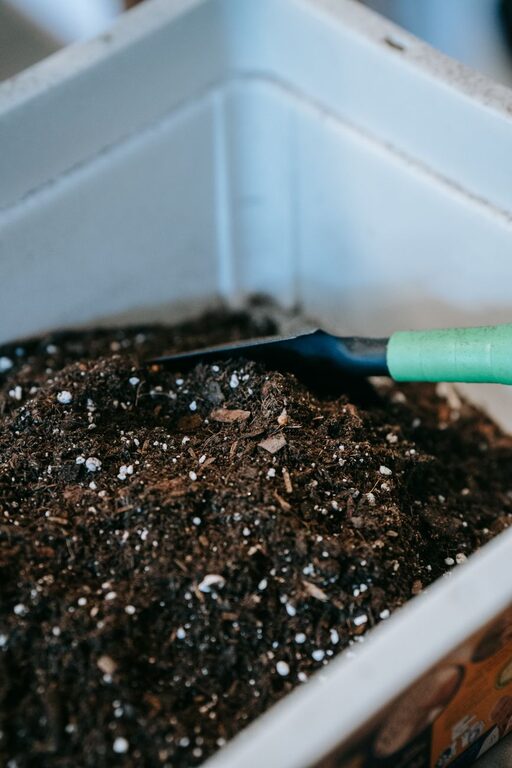
Composting is a fantastic way to reduce waste and enrich your garden soil naturally. If you’re new to composting, the idea might seem overwhelming, but with a few simple tips, you can start turning your kitchen scraps and yard waste into nutrient-rich compost right at home. This guide covers everything you need to know to begin composting successfully.
What Is Composting?
Composting is the process of breaking down organic materials like food scraps and plant waste into a dark, crumbly substance called humus. This natural material improves soil texture, retains moisture, and adds vital nutrients that help plants grow.
Why Start Composting at Home?
– Reduce waste: Composting keeps food scraps and yard waste out of landfills, reducing greenhouse gas emissions.
– Save money: Homemade compost reduces the need for chemical fertilizers.
– Improve soil health: Compost provides essential nutrients and improves soil structure.
– Support the environment: Composting supports sustainable gardening practices.
Getting Started: What You Need
Before you begin, gather a few essentials to make composting easy and effective:
– Compost bin or pile: You can use a commercial compost bin, make your own from wooden pallets, or simply create a pile in your backyard.
– Garden fork or shovel: For turning the compost.
– Kitchen scrap container: A small bin or bucket to collect scraps before adding them to the compost.
– Water source: Compost needs moisture to break down properly.
What Can You Compost?
Knowing what materials to add is key for successful composting. Compostable items break down into healthy soil, while some materials can cause problems.
Green Materials (Rich in Nitrogen)
– Fruit and vegetable scraps
– Coffee grounds and filters
– Tea bags (make sure they are compostable)
– Fresh grass clippings
– Plant trimmings
Brown Materials (Rich in Carbon)
– Dry leaves
– Straw or hay
– Shredded newspaper
– Cardboard pieces (plain, no glossy coatings)
– Wood chips or sawdust (in moderation)
Avoid These Items
– Meat, dairy, and oily foods (can attract pests)
– Diseased plants
– Pet waste
– Non-biodegradable materials (plastic, glass, metal)
How to Build Your Compost Pile
1. Choose a Good Spot
Pick a dry, shaded place near a water source for your compost bin or pile. It should have good airflow and be easily accessible.
2. Layer Materials
Start your compost pile with a layer of brown materials about 6 inches thick. Then alternate layers of green and brown materials. This layering helps balance moisture and airflow.
3. Keep it Moist
Your compost should feel like a damp sponge—moist but not soaking wet. Add water as needed, especially in dry weather.
4. Turn Regularly
Turning your compost every one to two weeks helps speed up the decomposition by providing oxygen. Use a garden fork or shovel to mix the pile well.
5. Be Patient
Composting can take anywhere from a few weeks to several months depending on materials, temperature, and how often you turn it. Finished compost is dark, crumbly, and has an earthy smell.
Troubleshooting Common Composting Issues
Smelly Compost
If your compost smells bad or sour, it might be too wet or have too many green materials. Add more browns and turn the pile to increase airflow.
Compost Not Heating Up
If your compost stays cold, it may lack enough nitrogen-rich greens or moisture. Add fresh green materials and water.
Pests in the Compost
Avoid adding meat or oily foods that attract pests. Make sure your bin is covered or secure, and bury food scraps under a layer of brown materials.
Tips for Composting in Small Spaces
If you don’t have a large yard, you can still compost:
– Use a worm bin (vermicomposting): Worms break down food waste quickly and produce valuable castings.
– Try a bokashi system: This method ferments food scraps in a sealed container before adding them to soil.
– Compost in containers: Use a small compost tumbler or composting bags designed for apartments or balconies.
Using Your Finished Compost
Once your compost is ready, you can:
– Mix it into garden beds to improve soil fertility.
– Use it as mulch around plants to retain moisture.
– Add it to potting soil for houseplants.
– Top-dress lawns to promote healthy growth.
Final Thoughts
Starting composting at home is a rewarding way to reduce waste and care for your garden naturally. It may take some trial and error, but with patience and attention, you’ll soon enjoy the benefits of homemade compost. Remember to keep your compost balanced with greens and browns, maintain moisture, and turn it regularly. Happy composting!