
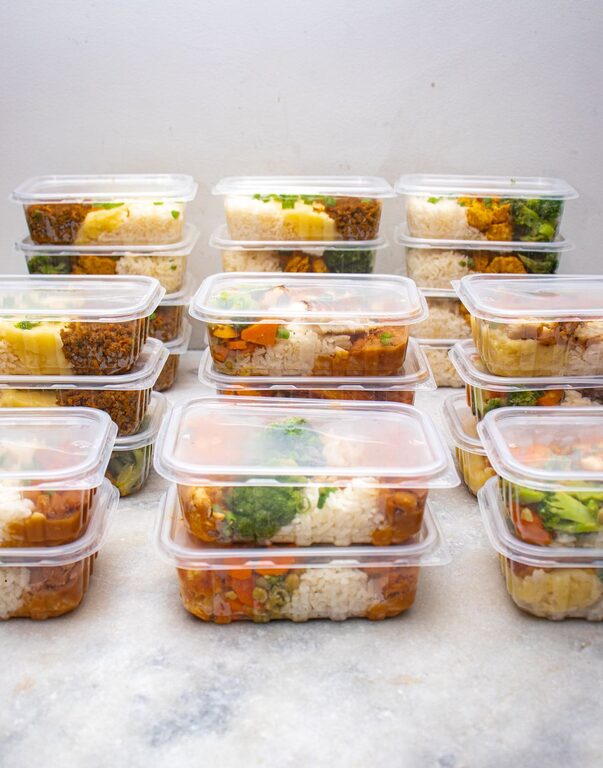
Planning balanced meals doesn’t have to be overwhelming. With a few simple strategies, you can create nutritious, tasty meals that support your health goals without feeling stressed or confused. Whether you’re cooking for yourself, your family, or both, these tips will help you stay organized and enjoy meal times more.
Understanding Balanced Meals
Before diving into planning, it’s helpful to know what a balanced meal looks like. A balanced meal typically includes:
– Protein: Helps build and repair tissues. Sources include chicken, fish, beans, tofu, and eggs.
– Healthy carbohydrates: Provide energy. This can be whole grains like brown rice or quinoa, starchy vegetables like sweet potatoes, or legumes.
– Healthy fats: Support brain health and absorption of vitamins. Examples are avocados, nuts, seeds, and olive oil.
– Fruits and vegetables: Packed with vitamins, minerals, and fiber for digestion and overall health.
– Water: Staying hydrated is key for digestion and energy.
Balancing these components in each meal helps maintain steady energy levels and supports overall wellness.
Step 1: Start with a Simple Meal Planning Routine
Create a weekly meal plan to reduce daily decision-making. Here’s how to start:
- **Choose a planning day:** Set aside 10–15 minutes once a week (like Sunday) to plan your meals.
- **Check your schedule:** Note busy days where quick meals or leftovers will work best.
- **Pick versatile recipes:** Choose meals that use overlapping ingredients to avoid waste and simplify shopping.
- **Include leftovers:** Plan to use extra portions for lunches or quick dinners.
By setting a routine, meal planning becomes a natural part of your week instead of a chore.
Step 2: Make a Balanced Grocery List
Once you have your meal plan, create a grocery list organized by category—produce, protein, grains, dairy, and pantry staples. Tips for an efficient list:
– Stick to whole foods as much as possible.
– Buy seasonal fruits and vegetables for better flavor and cost.
– Stock up on frozen veggies and fruits to extend variety and convenience.
– Include a mix of fresh herbs and spices to add flavor without extra calories.
Having a clear list helps you shop faster and avoid impulse buys.
Step 3: Prep Ingredients Ahead of Time
Prepping ingredients can save time and ease daily cooking stress.
– Wash and chop vegetables: Store them in airtight containers in the fridge so they’re ready to cook or snack on.
– Cook grains in batches: Prepare rice, quinoa, or pasta ahead and refrigerate for use throughout the week.
– Portion proteins: Marinate or pre-cook proteins to streamline meal assembly.
– Make sauces or dressings: Homemade vinaigrettes or simple sauces can brighten meals and be stored for several days.
Even spending 30 minutes prepping can make dinner time smoother.
Step 4: Build Meals with a Balanced Plate in Mind
When putting together your meals, try the “plate method” as a visual guide:
– Fill half your plate with vegetables or fruits.
– Allocate one-quarter to lean protein.
– Reserve the remaining quarter for whole grains or starchy vegetables.
– Add a small serving of healthy fats, such as a drizzle of olive oil or a few nuts.
This simple approach keeps meals balanced and colorful, making them more appealing and satisfying.
Step 5: Keep It Flexible and Enjoy Variety
Meal plans don’t need to be rigid. Allow room for flexibility by:
– Swapping ingredients or meals based on what’s available.
– Trying new recipes once a week to keep things interesting.
– Using leftovers creatively, like turning roasted vegetables into a frittata.
– Listening to your hunger and fullness cues, adjusting portions accordingly.
Flexibility reduces stress and prevents meal planning from feeling like a burden.
Bonus Tips for Stress-Free Meal Planning
– Use meal planning apps or templates to streamline the process.
– Batch cook freezer-friendly meals for busy days.
– Invite family members to help brainstorm meal ideas and prep food.
– Keep a well-stocked pantry with basics like canned beans, nuts, and whole grain pasta.
– Don’t aim for perfection—even simple balanced meals contribute to health.
Conclusion
Planning balanced meals without stress is achievable with a little preparation and organization. By understanding what makes a meal balanced, creating simple routines, and embracing flexibility, you’ll find that healthy eating becomes a natural and enjoyable part of your life. Start small, stay consistent, and soon meal planning will feel effortless.
Remember, the goal is progress, not perfection. Happy meal planning!