
Reducing food waste at home is a practical way to save money, conserve resources, and help the environment. Every year, millions of tons of food go uneaten, often ending up in landfills where they contribute to greenhouse gas emissions. The good news is that small changes in how you shop, store, and cook food can make a big difference. This guide offers easy-to-follow strategies to help you cut down on food waste and make the most of the food you buy.
Understand the Impact of Food Waste
Before diving into tips, it’s helpful to understand why reducing food waste matters. Wasted food means wasted water, energy, and labor used during production. It also generates methane, a potent greenhouse gas, when decomposing in landfills. By cutting down on food waste, you can reduce your carbon footprint and support a more sustainable food system.
Plan Your Meals
Create a Weekly Meal Plan
Taking time each week to plan your meals helps you buy only what you need. Write down breakfasts, lunches, dinners, and snacks to avoid impulse purchases that may go unused.
Make a Shopping List
Once your meal plan is set, make a detailed shopping list and stick to it. This reduces the chance of buying excess or unnecessary items.
Check Your Pantry First
Before shopping, review your pantry, fridge, and freezer to use what you already have. This prevents duplicate purchases and encourages using older items.
Shop Smartly
Buy in Smaller Quantities
If possible, buy perishable items in smaller amounts to avoid spoilage before consumption. Consider visiting local markets where you can often purchase loose fruits and vegetables.
Choose Versatile Ingredients
Select ingredients that can be used in multiple recipes to increase flexibility and reduce leftovers that can’t be eaten.
Avoid “Best Before” Confusion
Understand that “best before” dates often refer to quality, not safety. Use your senses to judge freshness and reduce discarding still-edible food.
Store Food Properly
Use the Right Containers
Transfer food to airtight containers to maintain freshness and prevent spoilage.
Organize Your Fridge
Keep older items at the front and new purchases at the back. This simple rotation system encourages using foods before they expire.
Understand Temperature Zones
Store fruits, vegetables, dairy, and meats in the correct fridge zones to extend their shelf life.
Keep Herbs and Greens Fresh
Wrap herbs and leafy greens in a damp paper towel before placing them in a bag in the fridge. This helps retain moisture and crispness.
Cook and Serve Wisely
Practice Portion Control
Serving appropriate portion sizes helps reduce uneaten food on plates. Start with smaller servings and offer seconds if still hungry.
Use Leftovers Creatively
Transform leftovers into new meals such as soups, stir-fries, or sandwiches. This keeps food exciting and reduces waste.
Freeze Excess Food
If you have leftovers or surplus perishable items, freeze them promptly. Label containers with dates to keep track.
Manage Food Scraps
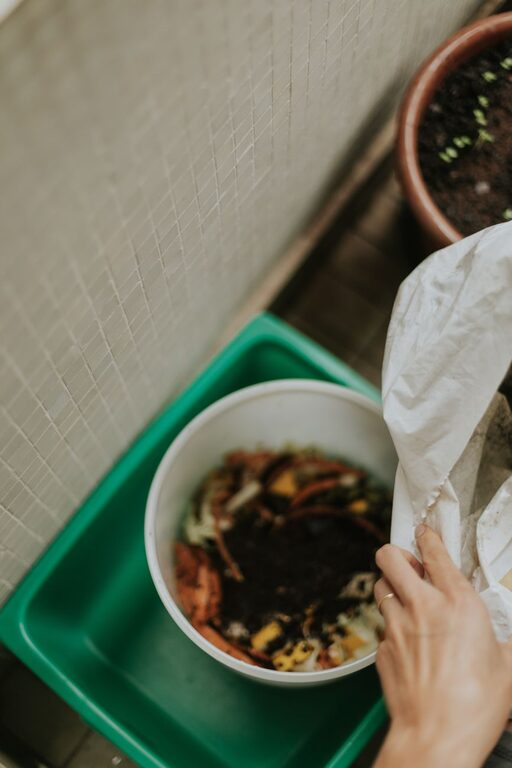
Compost Food Waste
Instead of throwing food scraps in the trash, compost them to create nutrient-rich soil for your garden.
Use Vegetable Scraps
Save vegetable peels, ends, and cores to make homemade vegetable broth.
Repurpose Stale Bread and Overripe Fruits
Turn stale bread into breadcrumbs or croutons and overly ripe fruits into smoothies or baked goods.
Educate and Involve the Household
Communicate the Importance
Discuss food waste with family members or roommates to create a shared commitment.
Delegate Food Management Tasks
Assign responsibilities like meal planning or fridge organization to involve everyone.
Teach Kids About Food Waste
Encourage children to help with meal planning, cooking, and composting to instill good habits early on.
Monitor and Adjust
Keep a Food Waste Diary
Track what gets thrown away and why to identify patterns and areas for improvement.
Set Goals and Celebrate Progress
Aim to reduce waste gradually and celebrate milestones to stay motivated.
—
Reducing food waste at home is not only good for the environment but also for your wallet and overall well-being. By planning meals, shopping thoughtfully, storing food properly, and getting creative in the kitchen, you can significantly cut down on the food that ends up in the trash. Start with a few simple changes today and enjoy the benefits of a more sustainable lifestyle.